Resilience and Recovery in the Aftermath of Two Cat Fives
Originally published – October 2017
by Monique Clendinen Watson
The people of the U.S. Virgin Islands are hurricane resilient. The sound and fury of hundred-mile per hour windstorms are stored in their collective memory. Grandmas’ stories about the “Gale of ’16 and ‘28” and personal recollections of Hugo in ‘89 and Marilyn in ‘95 have made for a wary, toughened response from residents every time forecasts are made about yet another tropical disturbance moving off the African coast and forming in the Atlantic.
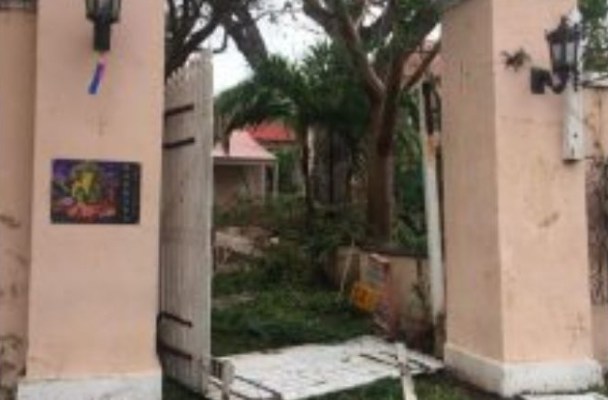
The 2017 hurricane season, however, is testing even the toughest and most storm hardened. With two Category Fives in two weeks — Hurricane Irma, which destroyed large parts of St. Thomas and St. John on September 6 and Hurricane Maria which did the same to St. Croix and the neighboring U.S. territory of Puerto Rico on September 19-20, resilience and recovery are being forged in everyday trials and tribulation.
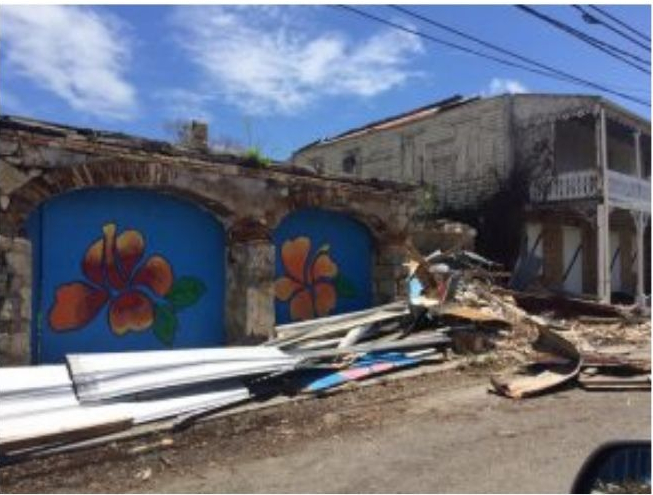
Hurricane Irma survivors on St. Thomas and St. John say the wind was unrelenting as it tore off roofs, crumbled buildings, and turned long forgotten waterways into muddy, gushing streams. Frightened residents huddled in closets and bathrooms. Once the winds died down, people emerged to a brutally altered landscape. They searched for each other, looked for stable shelter, praised God for life and wondered what the future would bring. Some stumbled in disorientation and confusion. Others took advantage and looted. Most reached out to each other in kindness and solidarity after shared terror. Since St. Croix received minimal damage in Irma, it became the staging ground for relief to hard hit St. Thomas and St. John and there was talk about the largest Virgin Island becoming the center of economic recovery until St. Thomas and St. John got back on its feet.
That assumption was short-lived, as unbelievably, Hurricane Maria bore down on the U.S. territory two weeks later. Weary residents, some already living in damaged housing prepared for round two and suffered an intense battering on September 19-20. This time St. Croix, especially the southwestern portion of the island bore the brunt of the destruction. Old mahogany trees snapped in two, homes and business places were torn apart and coconut trees, galvanized roofing and electrical wiring tangled together in a pile of junk. St. Croix Irma survivors who had helped to relieve St. Thomas and St. John were now themselves looking for housing, food and gas. Once again, lives and plans were altered and futures became uncertain. To make matters even worse, Hurricane Maria then treated Puerto Rico to its first direct hurricane hit in a century. The larger, more populated U.S. territory that was also staging Irma relief for the U.S. Virgin Islands and other hard-hit Caribbean nations was also on its knees, with 100 percent loss of electricity, flooded rivers and residents in need of rescue and help.
While curfews have now been shortened and some stores are reopened, many Virgin Islanders are still without electricity and reliable communications. The lines for food, supplies and government relief are still long and many are still living amidst the musk and mold of the one dry room of their damaged home. It will be months before homes are repaired and rebuilt and families are sending their elderly and young children to stay with relatives in the states. To stay or relocate has become an anxious, tear-filled decision. Some know they will be without jobs for the foreseeable future. Those who are staying to rebuild know that it will be a while before life returns to normal.
St. Croix Foundation
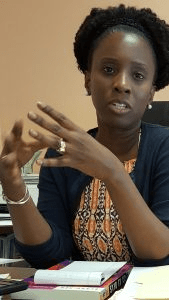
“While it is hard to wrap your mind around being hit with two Cat 5 storms in two weeks, I believe that the most resilient people in the world live in the Caribbean,” said Deanna James, Executive Director of the St. Croix Foundation, one of the non-profit organizations helping to coordinate disaster relief to St. Croix, St. Thomas, St. John, and Water Island, and other islands devastated in the 2017 hurricane season. James said that Virgin Islands resilience was on full display after Irma devastated St. Thomas and St. John and their Caribbean cousins Barbuda, St. Martin and the British Virgin Islands. “It was a sight to behold after Irma, how people on St. Croix, not as hard hit, got in boats with supplies for their sister islands,” James reflected. “They did not wait for Coast Guard approval,” she said. “They created a flotilla filled with supplies of water, food, batteries, tarps and other necessities of post hurricane life.” On St. Thomas and St. John many restaurants such as Gladys Café cooked their stored food and fed crowds for free. Some St. Croix restaurants crossed the sea and set up free hot food spots around the island. A group of St. Croix moms collected supplies for babies being brought to St. Croix from the damaged hospital on St. Thomas.

Co-founder, USVI Alliance
In the wake of both Irma and Maria, the Virgin Islands diaspora also responded. After spending anxious nights praying and worrying about friends and relatives in the path of the storm, family and friends on the East Coast, in the South and the West began relief drives to get needed supplies to the territory as quickly as possible. They connected through social media to find loved ones and to get word out about conditions on the ground. Virgin Islands celebrities like Tim Duncan, Kenny Chesney and others with sizeable media platforms came forward to make sure the territory was not forgotten and to raise money and organize relief. USA Today political reporter Fredreka Schouten who is from St. Croix wrote the earliest national stories about the damage on St. Thomas and St. John. Lo’an Sewer, a public relations specialist from St. Thomas who lives in North Carolina and is co-founder of the USVI Alliance connected diaspora groups from New York, Washington, DC Metro, Atlanta and Florida through a Facebook Messenger group. They shared information on collection events, shipping, storage and possible distribution points on island. “We connected as many of the relief groups as possible to establish a cohesive process,” she said. “We became a resource for disseminating accurate information and updates to the diaspora. We joined with the greater Caribbean community and are now affiliated with the Caribbean Disaster Relief & Recovery Alliance in DC and the Caribbean Relief Network.”
Deanna James says the experiences of Hugo and Marilyn have helped the territory respond to Irma and Maria. “This is not our first rodeo, some things were done right since Hugo and Marilyn, for instance, the Foundation buried its cables and lines underground ten years ago and our office has been electrified and VIYA (phone, internet, cable) connected and able to provide space for agencies such as the Delegate to Congress’ Office and the Department of Education that lost their offices in the storm.” James said that because the Virgin Islands Water and Power Authority buried its lines underground in parts of Christiansted, the town has been energized first. With a stable, functioning Sunday Market location, the Foundation has been able to coordinate private and non-profit aid coming to the territory for the Virgin Islands and other Caribbean islands. “We are doing a lot of coordination and facilitation around relief efforts, working to avoid duplication and to make sure aid gets to the people who need it immediately.”
One logistical issue has been where to store the massive amounts of supplies that people will need in the months to come. “We have a donor with over a million pounds of goods to be distributed, but nowhere to put it. We have decided to keep it on the barge for now and figure out distribution from there.” James said that organizing the various relief chains, setting up relationships with shippers such as Tropical Shipping and working feverishly to get stuff to distribution points once it arrives on island is part of the daily activity of the Foundation. “We are considering distribution points in addition to those already being provided by government, placing sites in neighborhoods so people won’t have to travel far to receive them.”
Despite the resilience, James believes that this recovery will be especially challenging as the nation responds to multiple natural disasters in Houston, Florida and Puerto Rico and resources are stretched and national media attention comes and goes. “These circumstances are creating a domino effect that will make our recovery more difficult in ways that have not yet been articulated,” she said. “Even as we make progress, the reality is that people who work for damaged shops and stores and gas stations are out of work and have to seek unemployment assistance. FEMA tarps are only being installed on homes with 50 percent or less damage and there is still not enough manpower to install tarps.” James said that at this stage of the recovery the best donations are cash donations that can be more easily directed to areas that are most in need. However, those who want to provide supplies should collect chargers, blow-up mattresses, clothing, tarps and batteries because these are the items that are most in demand. While coordinating recovery efforts, the Foundation is also focusing on how to do it better next time. “In this new era of superstorms, we have to reframe what relief and recovery looks like. We have to rebuild and restore in a manner that is more sustainable,” she said. James said the Foundation is mapping and recording the recovery efforts and trying to answer crucial questions such as:
- How do we ensure rapid recovery?
- How do we turn things around quickly?
- How do we build a model for the future that is efficient and collaborative?
- What strategies worked well? Which ones did not?How do we account for food security and sustainable energy on isolated islands in the path of destructive forces of nature?
Some ideas are already surfacing such as creating a relief bank so non-perishables won’t go to waste and can be shared with other islands who have a need and creating storage spaces to house large amounts of aid. Connecting with Caribbean and international partners to find common solutions is already in progress. Lo’an Sewer said the USVI Alliance is focused on the long term economic recovery of the Virgin Islands. “We are preparing several initiatives to ensure that our people play a lead role in rebuilding the islands,” she said. “This means educating business owners on how to do business in the Virgin Islands and connecting them with the right agencies. We are also working with Caribbean partners on a One Caribbean relief benefit concert in Washington, DC on October 15.” Headliners include Pressure from the Virgin Islands, Desy Hydon from Dominica, Image Band, Carl Malcolm and the PV Band, Stryker’s Posse and Peter Humphrey and Oasis Band. For information on the concert, contact www.cdrra.org, info@cdra-inc.org or 301-346-9635. If you want to donate to Hurricane Irma and Hurricane Maria relief for the U.S. Virgin Islands through the St. Croix Foundation, go to www.usvigives.org. Deanna James and her team can be contacted at 340-773-9898. Contact Lo’an Sewer and the USVI Alliance at info@usvialliance.org or on Facebook @usvialliance.
In this season of recovery, Company Street Chronicles will feature stories from around the territory and the diaspora as the Virgin Islands people heal and rebuild from the double Cat Five assault of Irma and Maria. As the world we live in is global and interactive, I would like to hear from you who know and love the U.S. Virgin Islands and who may have stories, pictures or memories to share about Company Street or anywhere in the US Virgin Islands. Contact me at mcw@bluegaulinmedia.com or follow me on Facebook @companystreetchronicles or on Twitter @companystreet59.
Monique Clendinen Watson is a writer and public relations specialist who is from the U.S. Virgin Islands and who lives in Virginia. She owns a public relations firm, BlueGaulin Media Strategies, www.bluegaulinmedia.com. Photos by Gerville Larsen.
© Company Street Chronicles and Bluegaulinmedia are copyright protected. October 2017. All rights reserved.
 Company Street Chronicles
Leave a comment